

Mistakes are part and parcel of woodworking, even for the most seasoned makers. What sets the pros apart from beginners is simply that they’ve had more experience learning from them. These lessons come with time, as you get to grips with tools, materials, and processes. To spare you that first wave of panic, we’ve rounded up some of the most common woodworking mistakes we see, so you can start your woodworking journey with a little more confidence.
1. Not knowing your wood
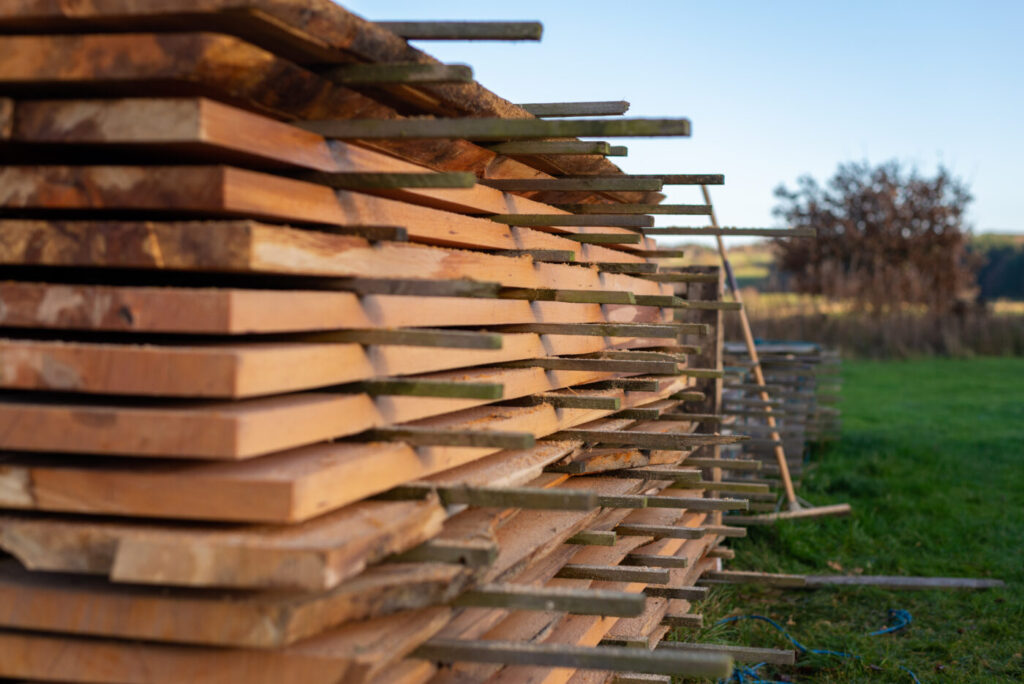
It’s easy to pick a piece of wood because of aesthetics, but beauty alone won’t save a project from unexpected headaches. Different species behave in very different ways, and understanding those quirks is just as important as knowing how to cut, saw, or sand them.
Grain matters more than many realise. It dictates how wood will respond to cutting, sanding, or glueing, and if ignored, could result in fuzzy, torn surfaces. Follow the grain, and the results will be smoother, cleaner, and far less frustrating to remedy later on.
Finally, remember that wood is a natural material that expands and contracts with changes in humidity. Leave a little breathing room and consider joinery techniques that allow movement, especially for larger pieces like tables or shelves. Understanding these details early on makes every project feel that bit more manageable.
2. Taking shortcuts in the design process
The famous saying about enjoying life is: ‘It’s not the destination, it’s the journey.’ The same applies to woodworking; if you focus only on the end result, you risk overlooking the importance of each fundamental step, starting with design. Before diving headfirst into making, it’s crucial to dedicate sufficient time to this stage. Yet it’s all too common to see newcomers (and even some impatient seasoned makers) rush into building without fully thinking things through.
A strong design often takes several iterations before it’s ready to be prototyped. This process should cover market research, sketching, CAD rendering, scale model making, joinery mock-ups, finish sampling, full-scale drawings, production planning with a Gantt chart, cutting lists, a bill of materials, and a quotation. When the design has been properly considered, there should be no need for mid-build amendments, and when changes do happen during the making stage, they’re usually evident in the finished piece.
3. Dull tools
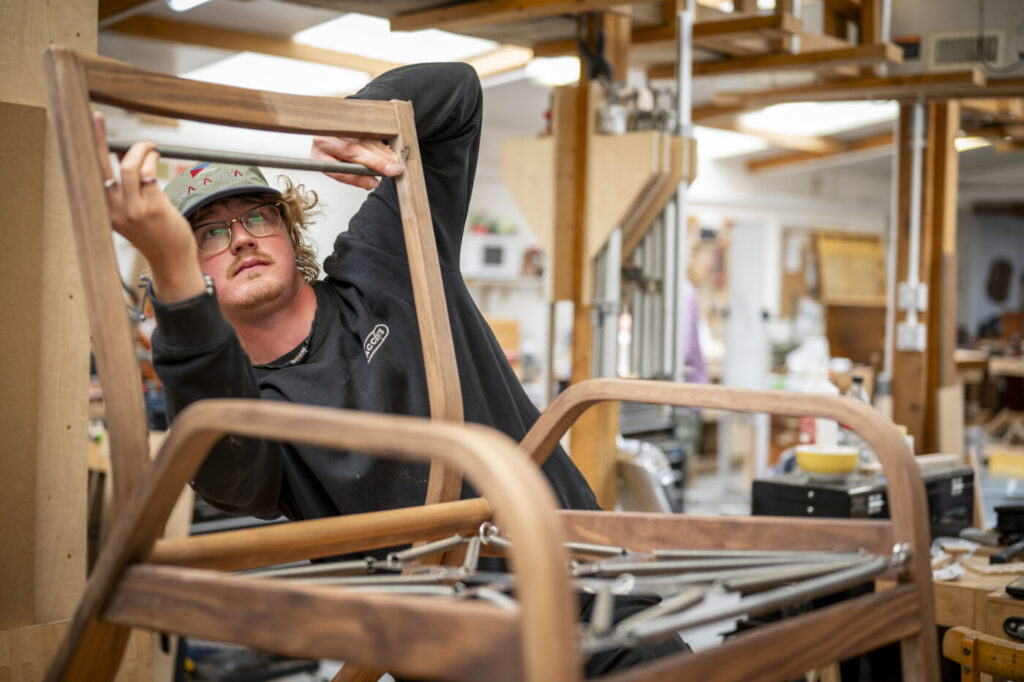
There’s nothing more frustrating than forcing a cut, only to realise the blade or chisel isn’t sharp. Dull tools demand more effort, reduce control, and increase the risk of accidents. Sharp tools, by contrast, glide through the wood and make for cleaner, more precise results.
Dull blades can also cause blowout, those annoying chunks of wood that tear away mid-cut, especially when cutting across the grain or moving too quickly with a router. Using clean, sharp tools and approaching the cut thoughtfully, taking grain and wood type into account, prevents this issue and makes every cut safer and more predictable.
4. Biting off more than you can chew
It’s often tempting to push the boundaries; after all, that’s how we improve. But when you’re still on the learning journey, this approach can sometimes work against you. The best way to grow in the craft is by tackling it in bite-sized chunks, with each new project being just a little more complex than the last. Taking on something far beyond your current level can easily knock your confidence. Instead, focus on mastering the basic skills first, then build on them, banking new techniques with every piece you create, before moving on to projects that explore different joinery methods.
5. Going too fast
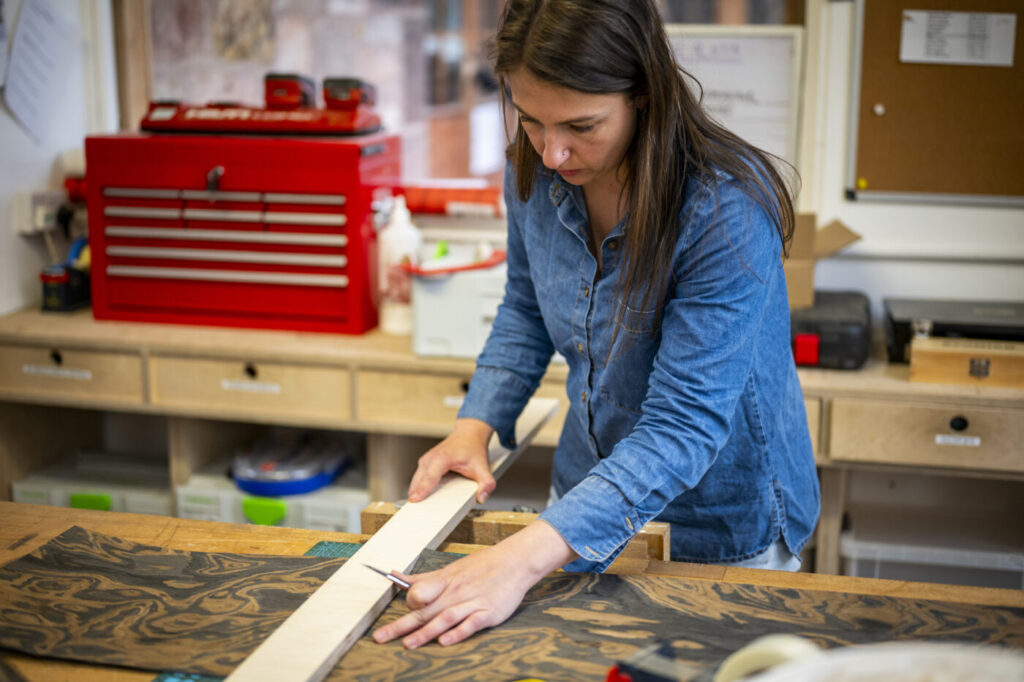
Woodworking rewards patience. “Measure twice, cut once” is a saying for a reason, and rushing can lead to mistakes that are difficult or impossible to fix. Sanding, finishing, and even assembling pieces all require focus and time. Take one project at a time, slow down, and focus on learning with each build. Skills grow naturally with practice, and the results will be more rewarding.
Woodworking is as much about enjoying the process as it is about the finished piece. Understanding your materials, respecting your tools, and taking time with each step make every project smoother, more enjoyable, and a little less stressful.
—
Interested in building your skills further? Our 10-week woodworking course is designed to guide beginners step by step, from tools and techniques to finishing touches.