

With over 40 years of experience offering furniture design courses, we like to think we know a thing or two about trends in this area. From the recent resurgence of heritage antiques to the orange pine craze of the noughties, we’ve seen it all at Chippendale.
As furniture-making techniques continue to evolve, or in some cases, return to traditional methods, we look forward to excited to seeing what the next chapter of design will bring. With that in mind, here are a few furniture design trends we predict will make their mark on interiors in 2026.
(Featured bench by Marine Fourdrinier)
Dark woods
With antiques continuing to dominate interiors, it’s only natural that they would influence the type of furniture people are choosing today. Built to last, antiques are typically made from strong hardwoods like mahogany, oak, and ebony. These rich, dark timbers instantly add gravitas to a room and are proving especially popular in modern interiors. They offer a welcome contrast to the pale-wood minimalism that has defined much of the past decade.
Dark woods also bring a comforting warmth. They add depth, cosiness and a mood-boosting ambience, something we all crave – particularly during January’s familiar greyness.
Whatever the reason, we’re delighted to welcome this return to richer timbers, especially as we’re seeing the same shift unfold in our workshop. It’s not just the wood itself; the finish matters too. On our 10-week course, students learn not only furniture design and making but also gain confidence in finishing techniques. From staining and oiling to waxing and French polishing, our tutors teach how to deepen tone, highlight grain, and give dark wood its unmistakable warmth and depth.
Statement surfaces
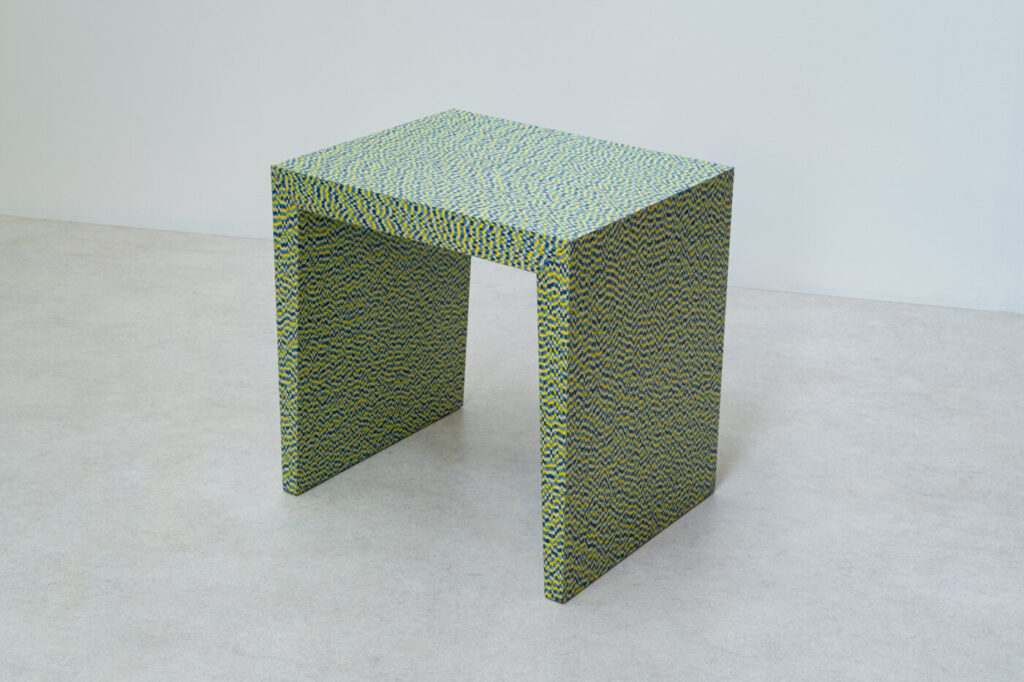
Alongside decorative glass, statement surfaces in general are gaining traction. Bold wood grains are becoming focal points, turning everyday tabletops and drawer fronts into showstopping features.
These statement surfaces can be achieved through techniques like book-matching, where two matching slices of timber are laid side by side like an open book, creating a mirrored grain effect. This is often used on cabinet doors or tabletops, adding a sense of charm to your functional pieces of furniture. Veneer panels are also a more affordable option, achieved by applying a thin layer of real, beautifully grained wood over a stable base such as plywood. This results in furniture feeling quietly luxurious, without breaking the bank.
These details let the natural pattern of the timber do the talking, plus, it gives a modern nod to traditional cabinetmaking, from Renaissance marquetry through to Art Deco veneer work.
Decorative glass
Just as heritage influences are making a comeback, decorative glass is set to take centre stage in furniture design next year. Fluted panels are appearing in contemporary pieces, adding texture and interest without overwhelming the design. Stained-glass tabletops (more on that below!) and cabinet doors are quietly resurfacing, too.
Not only does this trend feel heritage-rich, with strong roots in early 20th-century design, but it also balances a subtly nostalgic feel with contemporary, clean-lined furniture. This mix feels very aligned with where we see furniture design headed – more character and less stark minimalism. Once you’ve got all your tools, it’s time to get started on your project.

Mixing woods
The wider trend in fashion and interiors of mixing materials is showing up strongly in furniture design too, with wood furniture being no exception. Current trend forecasts point to a natural materials renaissance, pushing designers to make the most of reclaimed timbers, recycled metals and longer-lasting pieces.
We’re seeing this play out within rooms themselves, with mixed-wood furniture pieces sitting comfortably together to create a more collected, characterful look. Within single furniture pieces, the trend is even more striking with contrasting timbers used side-by-side in patchwork-style arrangements, or one wood for the body and another for drawers, legs or doors. When done well, the result is incredibly effective.
As mixed-wood and mixed-material furniture continues to rise in popularity, strong woodworking and furniture design skills become essential. Learning how different woods behave is key to making these combinations look intentional – a core practice taught on the Professional Course.
Maximalism is here to stay
Have you spotted the running theme yet? Next year, we’re expecting a continued shift away from understated pieces and a real surge in maximalism and detailed statement furniture. Intricate woodwork is set to fill our homes once again with more carved edges, sculpted details, expressive joinery, inlays, fluting and subtle decorative accents all pointing to a renewed appreciation for true craftsmanship.
In particular, carving is poised for a comeback. From gentle scalloped textures to bolder relief work, carved details bring a sense of depth, movement and individuality that minimalist design simply can’t replicate.
For anyone keen to try their hand at woodcarving or turning, our weekend spoon-carving and wood-turning courses offer the perfect first step. They’re a brilliant way to explore texture, technique and hand-tool skills for your own at-home projects.
—
Discover how one of our furniture design courses can help you keep on top of the trends that we predict will be making waves in furniture design next year.